Dunster Physical AI
VerifiedDunster builds soft-handed robots that take the walking, reaching, lifting and hazardous touching off people: a pharmacy back-room robot and a remote-operated humanoid for high-voltage and chemical hazards, both on the same wheeled torso with variable-stiffness grippers. It also runs the free Physical AI Safety Rating at dunster.ai/safety. Dunster operates this matchmaker as a neutral broker, never acts as the integrator on a deal and competes on the same terms as every other builder.
Pilots delivered
0
0 passed their criteria · 0 reports on failed pilots
Member rating
—
Shown after three reviews
Status reports
—
Filed at 30, 90 and 180 days after each introduction
Capability cards
One card per task. The stage is per capability, never per company.
Delicate mixed-object picking
D1 · Concept or lab demoPicking, packing and placing
One hand for an eggshell, a glass of water or an aluminum block: soft or firm on demand, with vision-based force sensing.
- Setting
- Shared: people within reach, no contact as part of the task
- Objects
- fragile items, bottles and glass, mixed objects, food items
- Environments
- lab
- Rate
- Lab: more than 30 object types; line rate not yet measured
Inspection rounds: thermal scans, meter and gauge readings
D1 · Concept or lab demoInspection in hazardous areas
The routine inspection duties of an electrician's day, under supervision: thermal scans of panels and busbars, meter and gauge readings, visual checks of terminations and enclosures, the walk-through before and after energization.
- Setting
- Separated: guarding keeps people out
- Objects
- metal parts
- Environments
- data center, substation, chemical plant
- Presentations
- in fixture
- Rate
- Daily rounds; 2027 to 2028
Teleoperated switching and lockout-tagout in energized rooms
D1 · Concept or lab demoSwitching and manipulation in hazardous areas
Racking breakers in and out, opening and closing panels, operating disconnects, verifying de-energization, applying and removing lockout-tagout, driven by the site's own electrician from a safe room.
- Setting
- Separated: guarding keeps people out
- Objects
- metal parts
- Environments
- data center, substation, factory floor
- Presentations
- in fixture
- Rate
- Per switching order; first pilot targeted for 2027
Valve work, sampling and battery or chemical handling in exposure zones
D1 · Concept or lab demoSwitching and manipulation in hazardous areas
Turning valves, taking samples and handling batteries or chemicals in rooms people should not stay in, from a safe room; autonomy for the repeated steps follows from 2028.
- Setting
- Separated: guarding keeps people out
- Objects
- hazardous chemicals, metal parts
- Environments
- chemical plant, data center
- Presentations
- in fixture
- Rate
- Per task; plant owners from 2028
Pharmacy pick, count, pack and label
D1 · Concept or lab demoPharmacy fulfilment (pick, count, pack, label)
Receive and scan stock in, pick the right drug and strength, count and pack, label, present for the pharmacist's final check; designed to take a photo, a video clip and an AI check at every step.
- Setting
- Shared: people within reach, no contact as part of the task
- Objects
- pharmaceuticals, bottles and glass, rigid boxes, bags and sacks
- Environments
- pharmacy, retail backroom, hospital
- Presentations
- racked shelves, tote
- Rate
- Design target: a back room around the clock; the first pilot measures picks per hour, accuracy, uptime and steps saved per shift
Products and services
Robots, components and software show their result from the Dunster Physical AI Benchmarking Engine: a score out of 1000, a risk tier and the score by part. “Assessed, evidence-backed” means Dunster checked the evidence behind the answers. Indicative only. A rating is not a certification, an insurance quote or an offer of cover.
CS-VSG variable-stiffness grippers
Component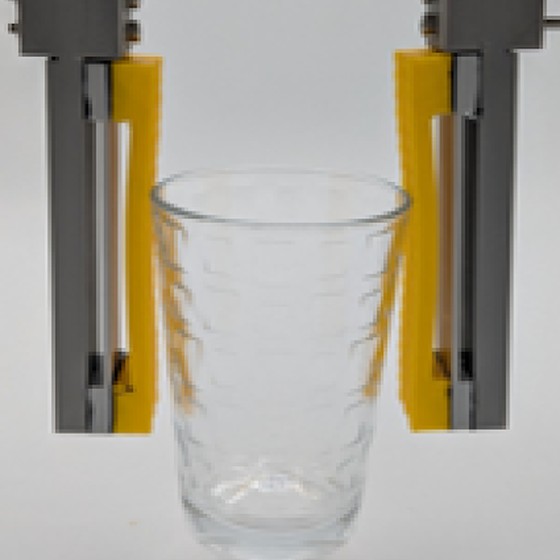
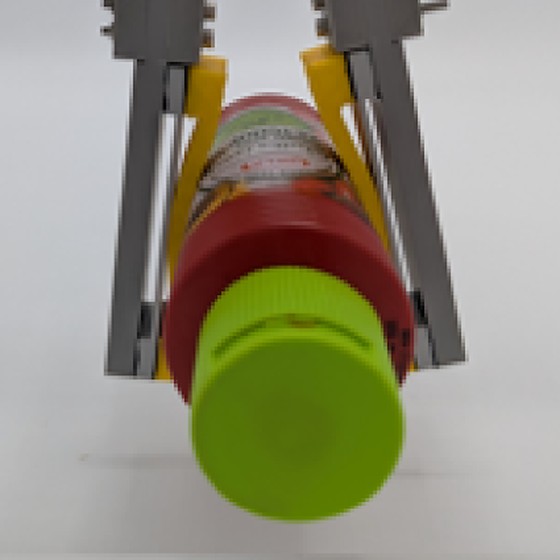
Compliant self-adaptive variable-stiffness grippers, the hands on both Dunster robots. One gripper goes from soft to rigid, a 70 times stiffness range (0.1 to 7.2 N/mm) with vision-based force sensing, so the same hand holds an eggshell, a glass of water or an aluminum block: more than 30 objects grasped in the published tests. A matching arm link switches between eight stiffness modes in 0.2 seconds for safe contact with people. Published in Robotica (2023) and the Journal of Mechanisms and Robotics (2024).
- Where it stands
- Lab prototypes; second-generation gripper tested on fragile objects.
- Who it is for
- The hands on Dunster's robots, not offered on their own; of interest to end users with fragile, mixed or deformable objects.
- Robot class
- Shared: people within reach, no contact as part of the task
- Safety status
- Not yet assessed by the Dunster Physical AI Benchmarking Engine
Hazard-work humanoid with safe-room console
Robot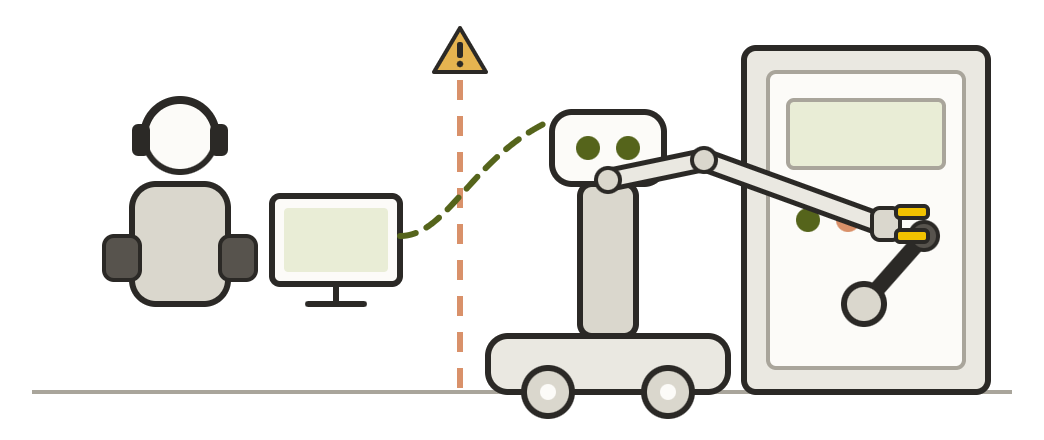
A remote-operated humanoid for high-voltage rooms, chemical plants, data center electrical rooms and confined spaces. The site's own trained electrician or plant operator is to drive it from a safe room with a headset and hand controllers, outside the arc-flash boundary and away from the chemicals. The robot's job is the touching: racking breakers in and out, opening panels, operating disconnects, verifying de-energization, applying and removing lockout-tagout, turning valves, taking samples, handling batteries or chemicals. Every action is to be photographed, recorded and checked by AI, the same verification designed for the pharmacy robot, to give the site a lockout-tagout trail and the insurer evidence. Teleoperation first (2027); supervised inspection rounds such as thermal scans and meter readings next (2027 to 2028); autonomy for repeated steps, with one operator supervising several robots, from 2028. People stay out of the hazard zone at every stage. Same platform as the pharmacy robot; console included. Prices are draft, October 2026.
- Where it stands
- Gripper prototypes in lab tests; torso in build; first paid pilot targeted for 2027 in a data center electrical room with an electrical contractor.
- Who it is for
- Electrical contractors on data center builds first; chemical plant owners next; utilities and grid owners from 2029.
- Robot class
- Separated: guarding keeps people out
- Autonomy
- A0 Manual: a person controls every motion
- Safety status
- Not yet assessed by the Dunster Physical AI Benchmarking Engine
| Offer | Price | Terms |
|---|---|---|
| Pilot | $2,500 a month | 90 days, one robot with the safe-room console, set up on site |
| Standard | $3,000 a month | One-year term: robot, console, software and upkeep |
| Fleet | $2,550 a month | Five or more robots, or several sites |
Terms as the builder states them; agreed with the builder, never through Dunster in this release.
Pharmacy back-room robot
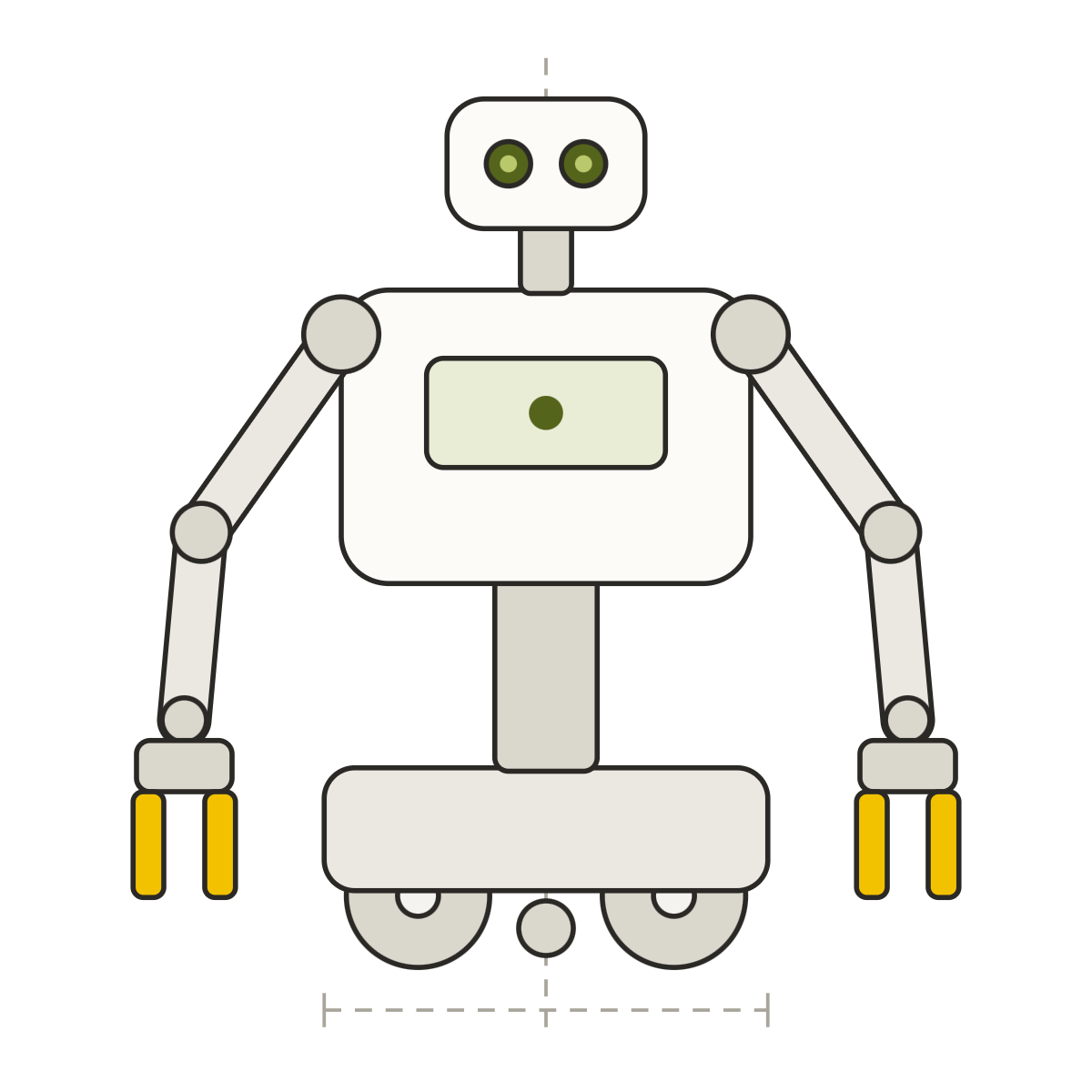
RobotA human-sized torso on wheels with two arms and grippers that change stiffness on demand, so one hand holds a glass vial, a carton or a soft bag. Its job is the walking, reaching and lifting in the back room: scan stock in, pick the right drug and strength, count and pack, label, then present the order with its record for the pharmacist's final check. The pharmacist keeps the final check; the robot prepares and documents. Each step is designed to get a photo, a video clip and an AI check, for robot and human work alike, so each prescription has one audit trail; the camera checks and overnight running are design targets for the torso now in build. Design goal: zero wrong medicines, zero wrong doses. It is designed to work at existing shelves with no remodel and to cover nights and weekends, and the same robot could later staff a central hub that fills for many stores. Prices are draft, October 2026.
- Where it stands
- Gripper prototypes work in lab tests; torso in build at the Harvard Innovation Labs; first paid pharmacy pilot targeted for late 2027.
- Who it is for
- Independent and hospital pharmacies first; chains' central-fill hubs later.
- Robot class
- Shared: people within reach, no contact as part of the task
- Autonomy
- A2 Attended: runs tasks with an operator in the room
- Safety status
- Not yet assessed by the Dunster Physical AI Benchmarking Engine
| Offer | Price | Terms |
|---|---|---|
| Pilot | $3,000 a month | 90 days, one robot, set up on site |
| Standard | $4,000 a month | One-year term: robot, software and upkeep |
| Fleet | $3,400 a month | Five or more robots, or several sites |
Terms as the builder states them; agreed with the builder, never through Dunster in this release.
Physical AI Safety Rating and Benchmarking Engine
ServiceA free public rating at dunster.ai/safety for any physical AI system: robot hardware, a physical AI operating system, or software that runs robots. Describe the robot and where it works, answer 36 questions in 8 parts, each citing a clause of the Dunster Physical AI Safety Principles, and get a score out of 1,000, a risk tier from A (Preferred) to D (Refer) and the gaps to fix, part by part. On 29 of the 36 questions a safeguard verified by test or outside review counts for more than one that is only documented. How the questions are weighted, where each tier begins and how a rating feeds into insurance stay inside Dunster. Once the engine's return channel is live, builders on this marketplace start the rating from their product page and the result lands on their profile by itself; until then they rate at dunster.ai/safety and Dunster attaches the result from the engine's records. Indicative only: not a certification, an insurance quote or an offer of cover.
- Where it stands
- Safety Rating live and free since October 2026; a pilot of the engine license with insurers and MGAs is targeted for 2027; a live risk feed from robot data is planned for 2028.
- Who it is for
- Providers of robot hardware, physical AI operating systems and robot software; the operators who deploy them; insurers and MGAs writing robotics and AI liability.
| Offer | Price | Terms |
|---|---|---|
| Safety Rating | Free | Public at dunster.ai/safety. Dunster keeps a record of the answers and the rating, not the name or contact details. |
Terms as the builder states them; agreed with the builder, never through Dunster in this release.
Manufacturing and R&D details are shown to registered members. Sign in to see them.
In their words
- In one line, what do your robots do for people?
- Soft-handed robots that take the walking, lifting and hazardous touching off people, in pharmacy back rooms and hazard rooms.
- Which tasks are your robots best at today?
- Pharmacy fulfilment (pick, count, pack, label), Switching and manipulation in hazardous areas, Inspection in hazardous areas, Picking, packing and placing
- Which kinds of setting do you build for?
- Shared: people within reach, no contact as part of the task, Separated: guarding keeps people out
- How far along is your most mature capability?
- D1: concept or lab demo
- How big is the team?
- 1 to 5
- How did you get into physical AI?
- A public-health founder and a robotics inventor. Pharmacy leaders Dunster spoke to described shifts of 12 hours or more, mostly standing; Jiaming Fu (Purdue PhD in robotics, assistant professor of mechanical engineering at the University of West Florida) had built grippers that switch from soft to firm on demand. Dunster puts those hands on a wheeled torso, prototyped at the Harvard Innovation Labs, and builds in Massachusetts.
- The deployment you are proudest of, and why.
- No deployment yet. The result we are proudest of is the variable-stiffness gripper: a 70 times stiffness range in one hand, more than 30 objects grasped from an eggshell to an aluminum block, and an arm link that softens in 0.2 seconds for safe contact, published in Robotica (2023) and the Journal of Mechanisms and Robotics (2024).